AI Technology
Website Migration and SEO Ranking
22 Jun 2026
Many fear a website migration destroys the Google ranking. That is true - if you do it wrong. What really happens and what matters.

Many fear a website migration destroys the Google ranking. That is true - if you do it wrong. What really happens and what matters.
If you have a business website, you should be able to maintain it yourself. Why that does not work for most people - and how it can be done differently.
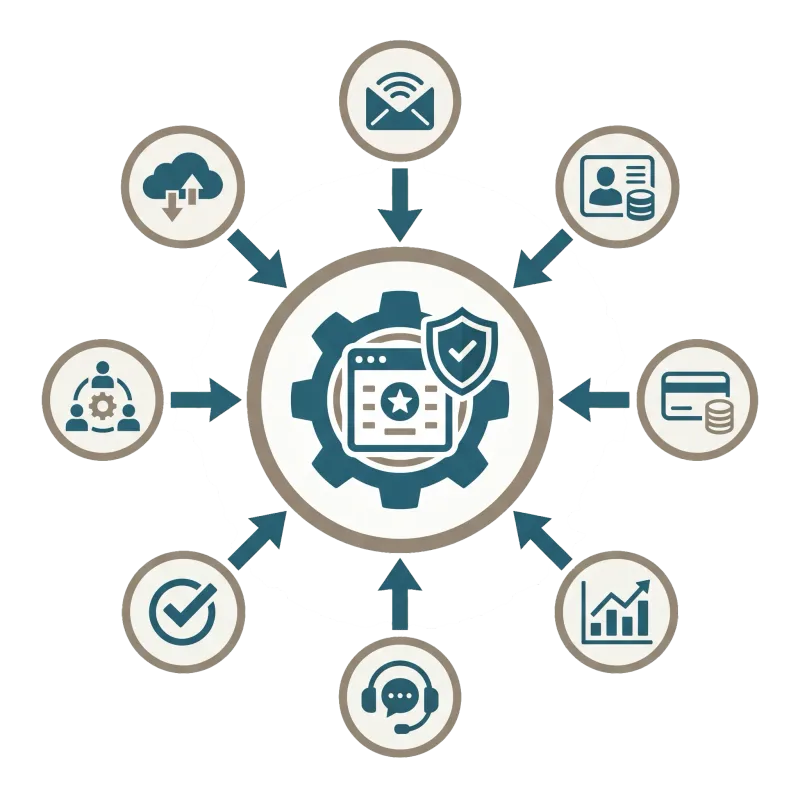
Why a process consultant with 20 years of experience builds his own AI compliance framework and his own platform - and what that has to do with the EU AI Act.

WordPress is considered a free solution. The actual bill looks different - and that is not only down to hosting.
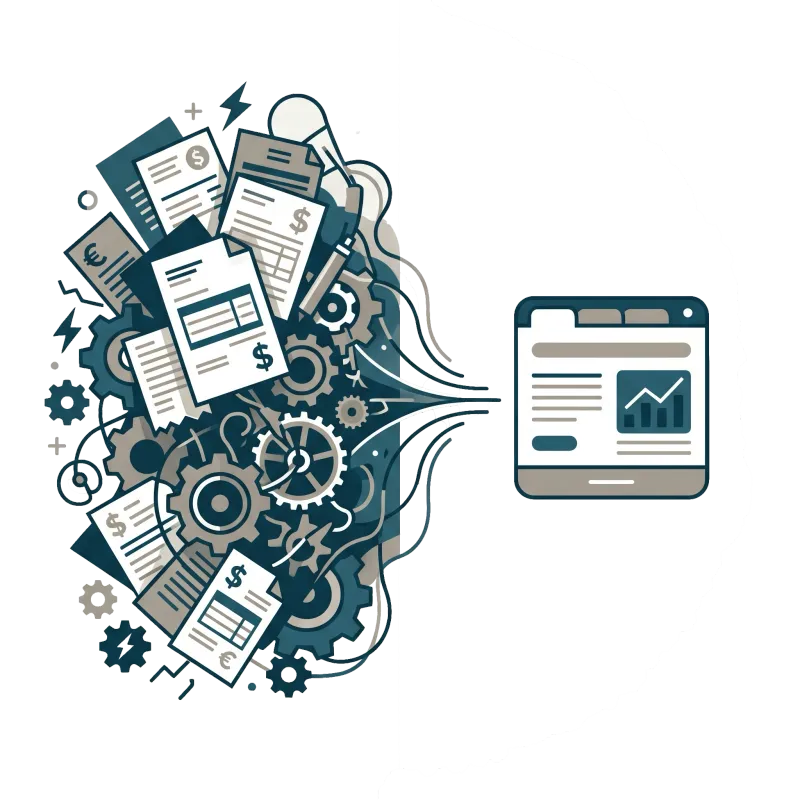
Most companies that use AI are deployers. They use ready-made systems and carry the corresponding deployer obligations.
78 percent of European companies are not EU-AI-Act-ready. What is missing is not knowledge, but structure. How AI compliance becomes methodical.
The DEFINE phase links AI assets to use cases. Only this combination determines the risk class and the further compliance path.

When does an AI system count as high-risk AI? The eight areas from Annex III explained, with a focus on HR and financial services for SMEs.

Deployer obligations under the EU AI Act: what operators of AI systems need to know. Roles, risk classes and concrete requirements explained for SMEs.

AI literacy under Art. 4 EU AI Act has applied since February 2025 to all companies using AI. What it means and how SMEs implement the requirements.

The AI register is the compliance foundation. It determines which compliance path your AI processes take and where you can save effort.
The cabinet has adopted the KI-MIG. The Bundesnetzagentur becomes the central AI authority for SMEs. What that means and why acting now counts.

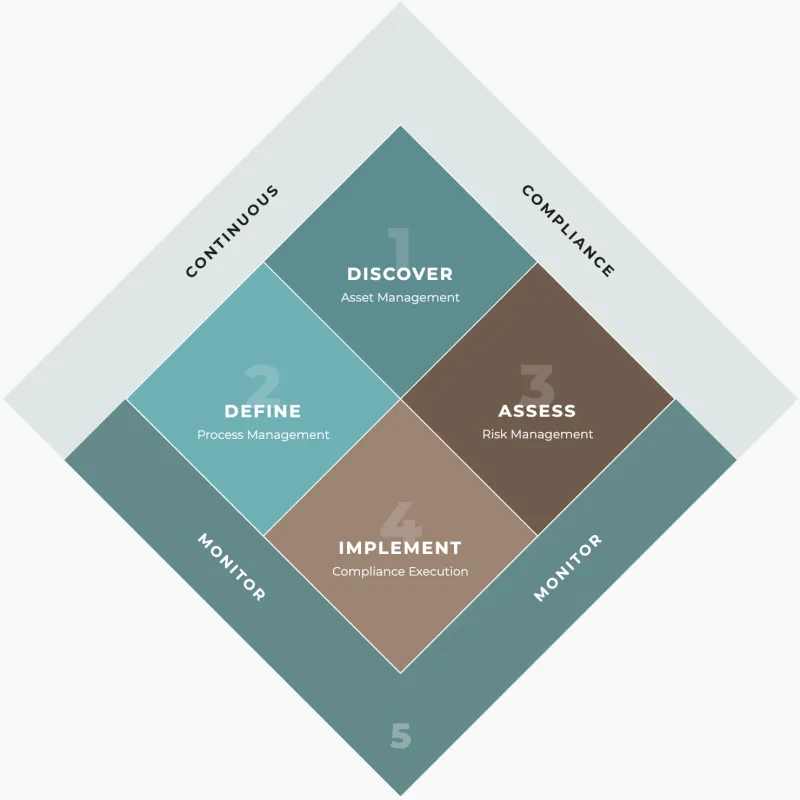
The NADOVO Compliance Cycle shows flexible paths through AI compliance. Not every AI process needs the same effort. The risk class determines the route.
The EU AI Act makes the use case the risk criterion. How to plan your AI strategy to deliberately avoid high-risk or be prepared for it.

Shadow AI endangers your EU AI Act compliance. The DISCOVER method from the NADOVO framework uncovers hidden AI systems systematically.
Before you implement EU AI Act compliance, you need visibility. How phase 1 (DISCOVER) in the NADOVO framework systematically records AI systems in the company.
Your AI asset register is outdated the moment it is finished. Five ways AI inventories develop gaps every day - and why compliance has to be a process.
38 percent of your employees share data with AI tools - without IT knowing. How shadow AI endangers your EU AI Act compliance and how to uncover it.

August 2026 or December 2027? The Digital Omnibus could push the HIGH-RISK deadline - but nobody knows for sure. Three scenarios and what they mean.
Compliance protects against penalties. Governance builds trust, reduces risks and turns AI into a strategic advantage. Why compliance alone is not enough.
Is ChatGPT HIGH-RISK? Wrong question. The EU AI Act classifies applications, not tools. How NADOVO structures compliance at the process level.
A complete guide for SMEs: what the EU AI Act regulates, which four risk classes apply and which obligations deployers face from August 2026.